1. Introduction: Why Knowing a TikTok Account’s Region Matters
TikTok is fundamentally built around hyper-localized content distribution. The platform’s recommendation engine prioritizes videos based on regional proximity, language nuances, and local cultural trends. For marketers, brands, and intelligence researchers, understanding an account’s true geographical base is essential for campaign success and fraud prevention.
When launching influencer marketing campaigns, knowing how to find a TikTok account region by username prevents costly budget allocation errors. A creator may produce English-language content, yet their primary distribution footprint could be locked to a completely different subcontinent. Verifying regional authenticity guarantees brand safety, ad compliance, and accurate audience alignment.
The primary hurdle lies within TikTok’s native interface design. Unlike Instagram or YouTube, which often display transparency details like account country history, TikTok does not visibly display an account’s registration country on user profiles. This absence of native transparency forces investigators and marketers to look deeper into profile signals.
This guide breaks down reliable, white-hat methodologies to uncover an account’s physical and operational origin. By mastering these analytical approaches, you will discover how to find a TikTok account region by username accurately without violating platform terms of service or risking security.

Before jumping into third-party utilities, it is vital to understand the internal mechanisms TikTok uses to establish and manage geographical footprints.
2. How TikTok Determines and Assigns Account Geolocation
2.1 The Role of SIM Card and Mobile Carrier Data
TikTok relies heavily on hardware-level information to determine where an account originates. The primary metric used during mobile app initialization is the device’s SIM card identity. Specifically, the application reads the Mobile Country Code (MCC) and Mobile Network Code (MNC) configured within your carrier profile.
Even if an account holder changes interface languages or travels abroad, the original carrier profile often locks the default account tier. This hardware binding makes it notoriously difficult for users to casually spoof their baseline account origin. Consequently, mobile registration markers establish the primary foundation of the user’s permanent regional designation.
2.2 IP Address, GPS, and Network Metadata
In addition to cellular data, TikTok analyzes routine network telemetry. Every upload, live stream, and session interaction broadcasts the user’s current IP address and corresponding autonomous system number (ASN). Through real-time GeoIP lookups, the platform determines whether the connection originates from a residential ISP, mobile tower, or commercial datacenter.
When permissions are enabled, TikTok intermittently checks mobile GPS coordinates and nearby BSSID Wi-Fi network routing. This secondary layer of geolocation shapes day-to-day content recommendations on the “For You” page (FYP). These ongoing signals create a behavioral fingerprint that helps investigators confirm an account’s operational zone.
2.3 Region vs. Target Audience: The Critical Distinction
A frequent point of confusion is the divergence between registration origin, physical creator residence, and audience demographic footprint. An account can be registered in the United Kingdom using a local SIM, managed by a team residing in Spain, and actively viewed by users in the United States.
Understanding this distinction is vital when attempting to find a TikTok account region by username. You must determine whether your investigation seeks the legal entity managing the handle, the physical location of the content creator, or the demographic concentration of the viewers. Each factor relies on distinct digital indicators.
With these structural concepts clarified, let us examine the digital tools designed to surface this geolocation data automatically.
3. Method 1: Using Third-Party TikTok Analytics and OSINT Tools
3.1 Dedicated Influencer Marketing Databases (Modash, HypeAuditor, Upfluence)
Enterprise creator platforms offer the most straightforward method to uncover account geography. Platforms such as Modash, HypeAuditor, and Upfluence continuously index public TikTok data points, including follower profiles, engagement patterns, and creator network footprints. Simply inputting an @username allows these tools to aggregate and report geographical metrics.
These databases pull data through public API feeds and proprietary web indexing to compile detailed demographic breakdowns. Beyond estimating where the creator uploads from, they reveal the precise percentage split of the creator’s follower distribution by country and city. This eliminates guesswork for media buyers targeting specific regional markets.

3.2 Free Web-Based TikTok Location Checkers
Open-Source Intelligence (OSINT) analysts often leverage lightweight, web-based profile inspection tools. These utilities query public user endpoints, parsing underlying JSON responses embedded in TikTok’s web interface. Such tools can expose regional parameters, assigned regional servers, and localized content classifications.
While convenient, free tools require caution regarding operational security and data freshness. Avoid any external website that asks for TikTok login credentials or requires browser extensions with broad permissions. Reliable OSINT tools only require the public handle to pull openly available metadata.
3.3 Interpreting Third-Party Reliability Scores
Third-party tools provide analytical estimates rather than definitive internal database records. When a creator uses high-grade virtual private networks (VPNs) or outsources editing to overseas production agencies, location reporting can skew. You should treat automated third-party data as a directional indicator rather than absolute fact.
To ensure accuracy, cross-reference the reported geographic origin against observable account cues. If a tool reports an account origin in Germany, verify whether the creator’s upload timestamps match Central European Time (CET). Corroborating multiple data points minimizes the risk of false positives.
Beyond automated analytics suites, official commercial transparency frameworks provide authoritative verification records.
4. Method 2: Finding Account Region via the TikTok Commercial Content & Ad Library
4.1 Accessing the Official TikTok Creative Center and Commercial Library
Regulatory frameworks across global markets have forced digital platforms to maintain searchable advertising archives. TikTok provides the Commercial Content Library and Creative Center to promote marketing transparency. These official directories serve as public repositories of brand partnerships, sponsored promotions, and paid commercial assets.
Anyone can access the Commercial Content Library through a web browser without needing an active ad account. This database indexes campaigns across various jurisdictions, making it an invaluable resource for locating verified geographic declarations. It allows investigators to verify account details directly through TikTok’s authoritative records.
4.2 Searching by Creator Username for Paid Partnerships
To inspect a profile, navigate to the Commercial Content Library search bar and enter the target creator’s exact handle. If the account has published commercial content, branded missions, or marketplace collaborations, the ad index pulls up the associated campaign logs. These logs feature regulatory disclosures mandated by local consumer protection agencies.
Reviewing these campaign entries reveals the primary geographic targeting parameters chosen by the account holder. Many filings explicitly state the country where the promotional campaign ran, alongside the legal jurisdiction governing the ad spend. This directly ties an otherwise ambiguous handle to an operational territory.
4.3 Examining Registered Business Location Tags
When an account converts to a TikTok Shop creator or an official Business Account, identity verification becomes mandatory. In many regions, verified storefronts and business entities must display registered company details to comply with e-commerce regulations. This information offers definitive geographic proof.
By checking the account’s associated storefront or business profile drawer, you can frequently locate registered business names, tax registrations, and operating countries. This compliance trail makes it straightforward to find a TikTok account region by username when evaluating commercial operations and corporate marketing assets.
5. Method 3: Inspecting TikTok Web Code and Metadata (Browser DevTools)
For technical analysts and OSINT investigators, web browser developer tools offer a direct pathway to extract backend metadata. When you visit a profile on a desktop browser, TikTok transfers structured data payloads that render the interface. Inspecting this underlying code often reveals regional assignments hidden from the standard visual layout.
5.1 Opening TikTok Web on Desktop and Launching Inspect Element
To begin, open Google Chrome, Mozilla Firefox, or any Chromium-based browser on your desktop computer. Navigate to the specific target profile by typing tiktok.com/@username directly into the address bar. Allow the page to load completely so all dynamic hydration scripts finish executing.
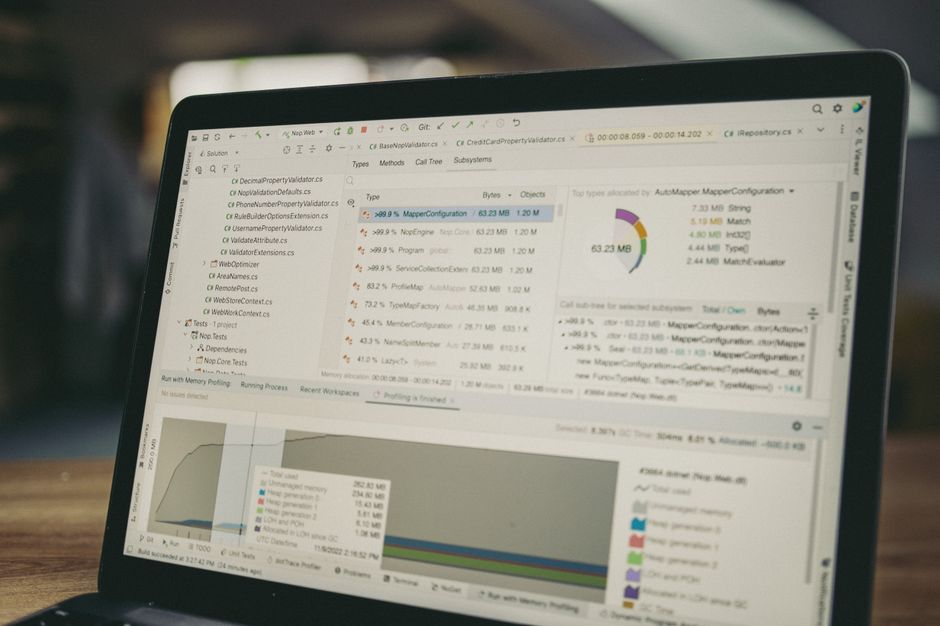
Right-click anywhere on the blank canvas of the profile page and select Inspect from the context menu, or press F12 (Cmd + Option + I on macOS). This action launches Developer Tools, docking an interactive workspace alongside the rendered web page. From here, you can switch between the Elements and Network panels to analyze the raw data.
5.2 Locating the SIGI_STATE or Initial Hydration JSON Block
TikTok relies on server-side rendering combined with client-side hydration, embedding crucial state data inside a static script element. In the Elements tab, press Ctrl + F (or Cmd + F) to open the internal search bar. Search for SIGI_STATE or __UNIVERSAL_DATA_FOR_REHYDRATION__ to locate the primary JSON object embedded in the DOM.
Expand the script tag to view the raw JSON tree, or copy its contents directly into a text editor or JSON formatter. Inside this nested data structure, inspect the UserModule or AppContext objects. You will frequently uncover parameters labeled region, country, or localized language tags that match the profile’s baseline assignment.
These values represent the regional cluster where TikTok’s content distribution network serves and categorizes the profile. While some fields reflect the viewer’s viewing region, specific account-level keys (such as creator verification nodes and marketplace permissions) tie back to the host account. Parsing this document allows you to systematically find a TikTok account region by username without relying on external web tools.
5.3 Filtering Network Requests for User Info APIs
In addition to static script tags, you can monitor the dynamic data exchanges generated by the web client. Switch over to the Network tab within Developer Tools and refresh the web page using Ctrl + R. In the filter box near the top of the panel, type /api/user/detail/ or simply user to isolate account-specific fetch requests.
Click on the isolated API call and open the Preview or Response sub-tab to inspect the returned JSON response. Scan the structured tree under userInfo to locate operational telemetry, including country code headers, regional privacy settings, and broadcast capabilities. Examining these live network responses confirms whether an account belongs to a regional jurisdiction governed by distinct regulatory rules.
While developer tools expose raw technical flags, observable behavioral patterns on the platform provide essential context to validate those findings.
6. Method 4: Manual Digital Footprint and In-App Clues
Automated scrapers and developer tools can occasionally misread metadata due to localized caching. Conducting a manual qualitative assessment helps verify technical indicators against tangible creative output. By methodically tracking contextual clues left across an account, investigators can establish reliable geographic profiles.

6.1 Bio Links, Associated Domains, and Top-Level Domains (ccTLDs)
Creators frequently display external hyperlinks in their bio using custom domains or link-aggregation services like Linktree and Beacons. Inspecting these external destinations provides direct insight into commercial operations. Examine the web addresses for country-code top-level domains (ccTLDs) such as .co.uk, .ca, .de, or .com.au.
If the link directs to an e-commerce storefront, proceed through the checkout funnel to note the default currency presentation. Localized payment gateways like Klarna, iDEAL, or Pix serve as definitive regional giveaways. Creators configure their billing systems around their immediate banking entities and domestic consumer bases.
6.2 Marketplace and TikTok Shop Integration
TikTok Shop operates under distinct regional silos across regions such as North America, the United Kingdom, and various Southeast Asian territories. An account with active commerce capabilities displays a dedicated showcase tab featuring a shopping bag icon. The presence of this tab immediately narrows down the account’s operational boundaries.
Examine the currency markers and delivery details attached to listed items within the creator’s showcase. An account marketing items denominated in GBP (£) or Malaysian Ringgit (RM) operates through regional commerce credentials. To operate these shops, sellers must submit local business licenses or domestic tax identification documents, making this a reliable geographic marker.
6.3 Sound Library, Language Nuances, and Localized Tags
Music distribution agreements impose strict geographic borders on audio content across social video platforms. If you attempt to view a creator’s video and receive a notification stating “this sound is not available in your country,” the track was licensed under foreign territorial restrictions. Cataloging these restricted sounds helps pinpoint the creator’s regional licensing zone.
Beyond musical metadata, assess the creator’s linguistic habits, spoken colloquialisms, and targeted hashtag strategies. A creator consistently deploying regional slang or tagging municipal events, regional sports clubs, or local weather developments leaves an undeniable trail. These organic cultural references ground an account within a specific geographical territory.
6.4 Cross-Referencing Linked Social Profiles (Instagram, YouTube)
Most professional creators cross-promote content across a wider social media footprint. Many TikTok profiles link directly to associated Instagram or YouTube channels right beside the primary follow button. These linked platforms often provide strict geographical transparency features that clarify ambiguity.
On Instagram, open the creator’s profile, tap the three dots in the upper corner, and select About This Account. This native transparency module displays the exact country where the profile is based, derived from physical network connections. Similarly, inspecting a linked YouTube channel’s About tab reveals the creator’s declared channel country, corroborating your search to find a TikTok account region by username.
Even with rigorous investigation, technical distortions and intentional spoofing can occasionally lead to conflicting conclusions.
7. Why Can a TikTok Account’s Region Be Misleading or Inaccurate?
Determining an account’s physical origin requires accounting for multiple technical and organizational layers. Modern internet routing and specialized device setups can decouple a creator’s physical location from their digital profile. Understanding these edge cases prevents analytical errors during background checks.
7.1 Roaming SIM Cards and Hardware Relocation
TikTok leverages hardware-level indicators, specifically Mobile Country Codes (MCC) extracted from physical SIM cards, to assign default regions. When an individual purchases a smartphone and SIM card in one country and relocates abroad, the hardware profile can persist. The platform continues recognizing the original carrier identity unless a local SIM card is inserted.
Consequently, an account created while using an overseas roaming card remains tethered to its initial registration territory. This carrier persistence leads automated tools to misidentify the creator’s real-time operating location. The account’s functional reach remains anchored to foreign servers despite domestic uploads.
7.2 VPN, Proxy Networks, and Antidetect Browsers
Commercial marketers, dropshippers, and arbitrage teams often engineer specific regional configurations to reach lucrative advertising markets. Operators outside North America or Europe frequently employ residential proxies, virtual private networks (VPNs), and antidetect browser environments. These software stacks spoof browser fingerprints, GPS parameters, and IP geolocations.
By simulating domestic network traffic, these operators successfully register profiles in external target regions. A profile managed from Eastern Europe can effortlessly appear as a domestic United States entity within its initial code attributes. Unraveling these setups requires scrutinizing incongruent posting schedules and disjointed cultural cues.
7.3 Remote Content Managers and Multi-User Management
Prominent international brands and high-profile influencers rarely manage platform uploads through a single personal smartphone. Instead, administrative tasks are commonly delegated to remote digital marketing agencies, offshore video editors, or distributed PR teams. When credentials are shared across borders, system access points fluctuate dynamically.
If an American creator delegates daily video publishing to an agency based in the Philippines, TikTok logs conflicting IP telemetry. Network requests oscillate between domestic production zones and remote publishing hubs. This distributed workflow generates fragmented digital trails that confuse both automated tools and manual code inspection.
Navigating these complex technical trails also requires a firm grasp of platform terms and professional ethics.
8. Legal, Privacy, and Ethical Considerations
Investigating user metadata requires balancing thorough investigative research with fundamental privacy boundaries. Platform parameters and data protection regulations define what methods are permissible when gathering intelligence online.
- Platform Terms of Service: Automated scraping scripts and unauthorized web scrapers frequently violate TikTok’s terms of service. Excessive querying of internal endpoints can trigger automated IP bans, rate limiting, and defensive CAPTCHA challenges. Analysts should focus on public, visible profile elements or authorized platform interfaces rather than invasive extraction techniques.
- Creator Privacy vs. Business Due Diligence: There is a distinct boundary between professional risk assessment and intrusive surveillance. Vetting an influencer’s geographic authenticity for commercial contracts or fraud prevention represents legitimate business due diligence. Conversely, attempting to strip away an anonymous creator’s privacy to pinpoint their real-life physical location breaches fundamental ethical standards.
9. Frequently Asked Questions (FAQ)
Geographic targeting on modern video networks remains dynamic and technically complex. Below are clear answers to the most common technical questions regarding how to evaluate account regions accurately.
Can you change your TikTok account region after creating it?
Directly modifying your primary registration region within the native app settings is generally not supported for standard user profiles. The platform algorithmically hardcodes your base region during the initial onboarding flow by referencing your device’s Mobile Country Code (MCC) and initial IP address.
While creators can change their display language, content preferences, and app interface dialect, the core regional assignment persists on back-end servers. A permanent regional migration typically occurs only when an individual permanently relocates, inserts a local foreign SIM card, and consistently uploads content from local residential networks over an extended period.
Why does an account display US content if the creator is located elsewhere?
Creators frequently tailor their profiles to target lucrative advertising and sponsorship markets in North America regardless of their physical location. Operators achieve this by using international SIM cards, dedicated residential VPN tunnels, and purposefully engaging with English-language trends and audio tracks.
Additionally, TikTok’s recommendation engine prioritizes user interaction over pure physical proximity. If an international creator produces high-retention content that resonates with American viewers, the recommendation algorithm pushes those videos directly onto United States feeds.

Is there an official in-app button to see where an account is based?
TikTok offers an official “About this account” transparency feature, though its availability remains limited to specific verified organizations, high-profile public figures, and accounts running political or issue-based advertising. When accessible, tapping the three dots on a profile reveals a dedicated tab confirming the registered country of origin.
For standard creator accounts and smaller commercial profiles, this transparent metadata panel remains inactive. In these everyday scenarios, you must use alternative inspection methods—such as reviewing source code endpoints, analyzing bio linkages, or checking cross-platform registrations—to confirm geographic status.
Can I find a private TikTok account’s region by username?
Uncovering the precise territory of a private account using automated tools presents severe technical limitations. When a profile is set to private, TikTok restricts public API access to video metadata, network payload responses, and follower distribution analytics.
Your analysis in these cases relies on surface-level OSINT methodologies. You can evaluate the account’s external social handles, inspect historical username alterations, or review linked link-in-bio portals. Inspecting the raw network requests via a web browser will yield minimal regional clues without authorized account access.
How do TikTok analytics tools calculate audience country vs. creator country?
Third-party analytics platforms calculate these two regional dimensions through fundamentally different telemetry data streams. The creator country is determined by parsing hardware attributes, account registration codes, ad library disclosures, and network routing logs gathered during video uploads.
Conversely, audience country metrics represent aggregated viewer engagement profiles over rolling periods. Tools analyze the localized IP clusters, language settings, and active viewing regions of the users who like, comment on, and share the creator’s video assets.

10. Conclusion and Best Practices
Pinpointing the precise origin of a profile is critical for digital marketers, fraud analysts, and open-source investigators. Relying on a single signal often leads to misleading conclusions due to proxies, international SIM cards, and cross-border content managers.
Comprehensive Verification Summary
The most dependable way to find a TikTok account region by username is to use a multi-step verification framework rather than trusting an automated tool in isolation:
- Direct Source Inspection: Open the target username on a desktop browser and inspect the client-side network payloads or DOM script tags for back-end parameters such as
locationCreated, server routing tags, and localized interface codes. - Commercial Transparency Logs: Review the TikTok Commercial Content Library, linked TikTok Shop storefront configurations, and official business verification badges that mandate legal business registrations.
- External Digital Footprint Mapping: Cross-reference the creator’s persistent username across secondary social networks, domain registries, affiliate marketing programs, and business directory listings.
- Behavioral Context Clues: Analyze publication schedules against global time zones, monitor regional vernacular, and track localized retail products appearing organically in video backgrounds.
Actionable Takeaways for Industry Professionals
Marketing teams, brand safety specialists, and researchers must establish standard protocols before entering commercial partnerships or drawing formal intelligence conclusions.
For brands and influencer agencies, never execute sponsorship contracts based solely on front-end profile claims. Always request verified, first-party audience metrics directly from the TikTok Creator Marketplace or TikTok Studio. This confirms that the influencer’s regional audience matches your target marketing territory.
For open-source researchers, ensure every conclusion is corroborated by at least two independent technical parameters. Combining web source code extraction with cross-platform digital footprints provides an empirical audit trail that withstands professional scrutiny.
