
The Identity of Columbia, South Carolina: More Than Just the Capital
Nestled in the geographic heart of the Palmetto State, Columbia, South Carolina, serves as a vital hub of political power, academic achievement, and Southern culture. Established in 1786 as a planned capital city, it was designed to bridge the gap between the coastal elite of Charleston and the growing population of the Upstate. Today, this bustling metropolitan area is known for its historic streets, the sprawling campus of the University of South Carolina, and its scenic riverfronts.
Yet, beyond its official status as the state capital, the city possesses a vibrant personality that is best expressed through its informal titles. Every major city carries a set of aliases that reveal its true character, and Columbia is no exception. Exploring the origin of a Columbia SC nickname offers a fascinating window into the city’s past, its local pride, and its unique daily life.
These informal names serve as shorthand for the city’s identity, connecting residents to their shared heritage. Whether you are a lifelong resident, a college student, or a curious traveler, understanding these terms will change how you perceive this Southern destination.

The Trio of Monikers: Soda City, Cola, and Famously Hot
When diving into the local culture, you will quickly notice three dominant terms used to describe the city: “Soda City,” “Cola,” and “Famously Hot.” Each of these terms carries a distinct vibe and serves a different purpose in the community’s vocabulary. Together, they form a trifecta of identity that captures everything from geographic realities to playful linguistic evolution.
The first and perhaps most common Columbia SC nickname you will encounter in daily conversation is “Cola.” This short, punchy term is used by locals, businesses, and media outlets alike as a quick way to reference the city. It is a natural linguistic shortcut that has evolved far beyond its origins as a simple abbreviation.
From “Cola,” the city naturally birthed its second major moniker, “Soda City.” While it sounds like a reference to a carbonated beverage empire, this name actually represents the creative spirit and community gatherings of modern Columbia. It has become synonymous with local commerce, artisan goods, and weekend community events.
Finally, there is “Famously Hot,” a term that is both a literal description of the local weather and a clever marketing campaign. This title embraces a characteristic that could easily be viewed as a negative and turns it into a badge of honor. It speaks to the resilience of the people who live here and the warmth of their hospitality.
Decoding “Cola”
To the untrained ear, “Cola” might sound like a reference to a favorite soft drink, but its roots are entirely textual. As an abbreviation of “Columbia,” the term likely originated in written correspondence, shipping logs, and telegraph communications. Over the decades, this written shorthand transitioned into spoken language, becoming the default name for the city.
Today, you will see “Cola” integrated into the names of local businesses, news outlets, and community organizations. It is a term of endearment that instantly signals a connection to the local area. It is simple, memorable, and deeply embedded in the local vernacular.
The Rise of “Soda City”
If “Cola” is the abbreviation, then “Soda City” is the playful extension of that concept. Because “Cola” is also the generic term for dark, carbonated soft drinks, locals began to refer to their home as “Soda City” as a lighthearted joke. What started as a clever play on words has since grown into a massive part of the city’s modern brand.
This Columbia SC nickname is heavily associated with the famous Soda City Market, a weekly street festival that takes over Main Street every Saturday morning. The market showcases local farmers, artisans, and food vendors, drawing thousands of visitors. Through this event, the name has come to represent community, diversity, and local entrepreneurship.
Embracing the Heat: “Famously Hot”
Unlike the other two names, “Famously Hot” was born out of a conscious effort to define the city’s climate and attitude. For generations, locals complained about the oppressive humidity and soaring temperatures that define Columbia summers. In the early 2000s, tourism officials decided to lean into this reputation rather than hide from it.
By branding the city as “Famously Hot,” Columbia transformed a meteorological challenge into a statement of pride. The phrase suggests that the city is not just warm in temperature, but also hot in terms of culture, dining, nightlife, and opportunity. It is a bold marketing strategy that successfully reshaped how outsiders view the region.

How Columbia’s Nicknames Reflect Its Rich History
The stories behind these names are deeply intertwined with the historical development of the region. The abbreviation “Cola” dates back to the 19th and early 20th centuries when railway travel and postal services required standardized abbreviations. As a major rail hub in the South, Columbia was frequently abbreviated on luggage tags, cargo crates, and train schedules.
This practical necessity eventually shaped the way residents spoke about their home. It highlights the city’s history as a center of trade and transportation in the Reconstruction era and beyond. By looking at how these abbreviations evolved, we can see the transition of Columbia from a quiet administrative center to a bustling commercial hub.
Furthermore, the transition from “Cola” to “Soda City” reflects the rise of the soft drink bottling industry in the American South. During the late 1800s and early 1900s, bottling plants popped up across the Carolinas, making carbonated beverages a staple of Southern lifestyle. While Columbia was not the birthplace of Coca-Cola or Pepsi, its linguistic connection to “Cola” allowed it to adopt the beverage-themed identity naturally.
The Climate Connection: The Story Behind “Famously Hot”
To truly understand why “Famously Hot” resonates so deeply, one must look at the geography of the Midlands. Columbia is situated in a fall line zone, where the rolling hills of the Piedmont meet the flat sandy pine forests of the Coastal Plain. The city itself sits in a geographical basin, surrounded by slightly higher elevation hills.
This basin structure acts like a bowl, trapping warm air and moisture rising from the Broad, Saluda, and Congaree rivers. During the summer months, temperatures regularly exceed 100 degrees Fahrenheit, accompanied by stifling humidity. The heat is palpable, radiating off the brick buildings and asphalt streets of the downtown area.
For decades, this climate was viewed as a major drawback for tourism and recruitment. However, the adoption of the “Famously Hot” Columbia SC nickname changed the narrative. It allowed the city to promote its warm-weather activities, such as tubing down the Saluda River, exploring the Congaree National Park, and enjoying outdoor dining year-round.
Modern Culture and the Evolution of Local Identity
In the modern era, these nicknames have evolved from mere slang into powerful tools for economic development and community building. Local businesses frequently use these monikers to establish authenticity and connect with the community. From craft breweries to tech startups, incorporating these names into branding has become a popular trend.
This linguistic branding also helps foster a sense of belonging among the city’s large student population. Tens of thousands of students attend the University of South Carolina each year, many of whom are from out of state. Adopting terms like “Cola” and shopping at the “Soda City Market” helps these temporary residents integrate into the local culture.
Ultimately, a Columbia SC nickname is more than just a label on a map or a tourism slogan. It is a reflection of the city’s adaptability, its sense of humor, and its pride in its unique environment. As Columbia continues to grow and change, these names will undoubtedly continue to evolve, carrying the city’s story forward into the future.
The Story Behind “Soda City”
Among the various monikers associated with South Carolina’s capital, “Soda City” stands out as the most vibrant and frequently used in contemporary culture. While it sounds like a name rooted in a historic manufacturing boom, its true origins are far more linguistic and accidental. Today, this playful title has transitioned from a quirky local term into a cornerstone of the city’s modern identity.
The Etymology: From “Columbia” to “Cola” to “Soda”
To understand how Columbia became associated with carbonated beverages, one must look at the history of postal and telegraphic abbreviations. During the late 19th and early 20th centuries, newspapers, shipping manifests, and railway schedules frequently sought ways to shorten city names. Columbia was commonly abbreviated as “Cola.” in print, complete with a trailing period to denote the truncation.
Over decades of daily use, residents and visitors alike began to drop the period and pronounce the abbreviation as a single word. The transition from the written abbreviation “Cola” to the spoken word was seamless, quickly becoming the preferred shorthand for the city. Because “cola” is also the generic term for one of the world’s most popular soft drinks, the connection to soda was immediately apparent to anyone visiting the area.
Eventually, creative locals took this association a step further by substituting the word “Cola” with its culinary sibling, “Soda.” This playful linguistic leap gave birth to the Columbia SC nickname “Soda City.” It was a natural evolution of language, transforming a dry administrative abbreviation into a fun, memorable title that captured the imagination of the public.
Despite the logic of this linguistic evolution, a common misconception persists that the name stems from a historic concentration of soft drink bottling plants. While Columbia did host a prominent Coca-Cola bottling franchise on Gervais Street starting in the early 1900s, this facility was typical for a growing Southern city of its size. The city was never a major innovator or producer of soft drinks on a national scale, meaning the nickname is entirely a product of wordplay rather than industrial heritage.

The Soda City Market: How a Nickname Became a Weekly Tradition
For many years, “Soda City” remained a relatively obscure piece of local slang, used primarily by college students and long-time residents. That changed dramatically with the launch of a weekly street market that decided to claim the moniker as its official brand. Today, the Soda City Market is the premier weekly event in the Midlands, drawing thousands of visitors to the heart of the city every Saturday morning.
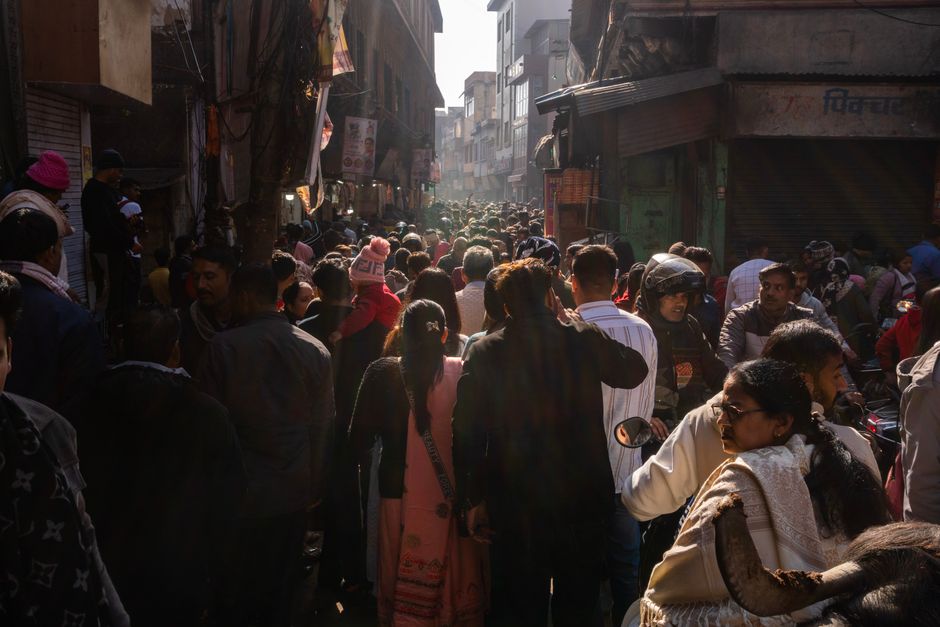
Spanning several blocks of historic Main Street, the market is styled after traditional European street markets. It features hundreds of vendors selling everything from fresh local produce and handmade crafts to international street food. By choosing this specific Columbia SC nickname for the market’s branding, the organizers gave the event an instant sense of place and local pride.
The massive success of the market did more than just revitalize the downtown area; it cemented “Soda City” in the regional vocabulary. Tourists who visit the market carry the name back to their home states, while new residents adopt the term almost immediately upon arrival. What began as a clever branding choice for a farmers’ market has successfully popularized the nickname across the entire state of South Carolina.
This weekly gathering has also helped redefine the physical space of downtown Columbia. By bringing foot traffic back to Main Street, the market has fostered a sense of community that was previously missing from the business district. The nickname “Soda City” is now synonymous with weekend leisure, community diversity, and local entrepreneurship.
Local Businesses Embracing the “Soda City” Brand
Following the success of the Saturday market, the local business community quickly realized the marketing potential of the “Soda City” brand. Today, a wide variety of enterprises use this specific Columbia SC nickname to establish local authenticity. From service providers to craft breweries, the name serves as a badge of honor and a direct connection to the community.
The city’s booming craft beer scene has been particularly enthusiastic about adopting the moniker. Local breweries frequently release special edition beers with “Soda City” in the title, playing on the irony of using a soft drink nickname to market alcoholic beverages. These products are highly popular among locals who want to support homegrown businesses while enjoying unique, regional flavors.
Beyond food and beverage, the name has found a home in the creative and service sectors. Graphic designers, clothing boutiques, real estate agencies, and even local sports clubs have integrated the term into their logos and marketing campaigns. This widespread adoption has created a cohesive regional brand that makes Columbia feel distinct from other Southern capitals.
By aligning themselves with the “Soda City” identity, these businesses contribute to a self-sustaining cycle of local pride. Consumers are naturally drawn to brands that celebrate their hometown, and the nickname provides a perfect vehicle for this sentiment. As more businesses adopt the name, the connection between Columbia and its playful, carbonated alias only grows stronger.
“Cola” – The Classic Shortened Moniker
While the playful “Soda City” has captured the imagination of the modern business community, it exists alongside a much older, more utilitarian shorthand. For generations, residents and visitors alike have referred to the capital city simply as “Cola.” This classic abbreviation serves as the foundational bedrock for many of the city’s alternative identities.
Unlike newer branding efforts, “Cola” developed organically out of a need for brevity in communication. Over the decades, this simple four-letter word has evolved from a practical administrative tool into a badge of local identity. Understanding its history helps explain how the Columbia SC nickname became so deeply entrenched in the local culture.

Historical Roots of “Cola, SC”
The origins of “Cola” as a shorthand for Columbia date back to the nineteenth century, long before the advent of modern branding. During the rise of the telegraph system, operators charged by the word and often by the character. To save time and money, telegraph operators and railway dispatchers began abbreviating city names, shortening Columbia to the simple and recognizable “Cola.”
This practice quickly spread to the postal system and the shipping industry. Railway mail clerks and cargo handlers used “Cola, SC” as a destination stamp on crates, letters, and transit ledgers. This administrative shorthand allowed logistics workers to quickly route goods through the busy transportation hubs of the Midlands without writing out the full name of the capital.
By the early twentieth century, this practical abbreviation had transitioned into popular culture. Vintage postcards from the Edwardian era frequently feature hand-written messages from travelers dating their correspondence from “Cola, S.C.” These historic documents prove that the term was not just a bureaucratic tool, but a widely accepted social shorthand used by everyday citizens. Over time, what began as a telegraphic necessity became a permanent fixture of the regional vocabulary.
“Cola” vs. “Soda City”: How Locals Use Them Differently
Although both names refer to the same geographic location, locals use “Cola” and “Soda City” in distinct ways depending on the context of the conversation. “Cola” is generally treated as a casual, everyday noun that fits seamlessly into daily speech. A resident might say they are “heading back to Cola” or mention that a new restaurant is opening “here in Cola.”
In contrast, “Soda City” carries a more festive, event-focused connotation. Because of its strong association with the Saturday market, “Soda City” is often used to describe the city’s cultural, artistic, and culinary scenes. Locals tend to use “Soda City” when highlighting the creative energy of the town, whereas “Cola” remains the default term for routine geographic referencing.

This geographic distinction is particularly evident in regional terminology. Business organizations, weather broadcasts, and regional planning agencies frequently use the term “Metro Cola” to describe the greater metropolitan area. You will rarely hear the term “Metro Soda City” used in a professional or administrative context, as “Cola” remains the preferred choice for formal geographic grouping. This linguistic division shows how a single Columbia SC nickname can split into two unique cultural tools.
Conclusion
The story of the Columbia SC nickname is a fascinating study in how language, history, and community marketing intersect. From the practical telegraph abbreviations of the nineteenth century to the bustling street markets of today, the names “Cola” and “Soda City” reflect the evolving identity of South Carolina’s capital. These monikers do more than just shorten a name; they foster a unique sense of place and local pride.
Whether you prefer the historic, utilitarian simplicity of “Cola” or the vibrant, community-driven spirit of “Soda City,” both names celebrate the character of the Midlands. As the city continues to grow and welcome new residents, these nicknames will undoubtedly evolve, continuing to shape how the world views this historic Southern hub.
Frequently Asked Questions
What is the official nickname of Columbia, SC?
While Columbia does not have a single legally mandated official nickname, “The Capital City” is its traditional title. However, “Cola” and “Soda City” are the most popular and widely used colloquial nicknames among locals and visitors alike.
Why is Columbia, SC called “Soda City”?
The nickname “Soda City” is a playful extension of the classic abbreviation “Cola.” Because “Cola” is a common type of soft drink, creative residents and marketers expanded the concept to dub the municipality “Soda City,” a term later popularized by the famous weekly Soda City Market.
Does the nickname “Cola” come from Coca-Cola?
No, the nickname “Cola” does not originate from the Coca-Cola company. It began as a practical postal and telegraph abbreviation for the word “Columbia” in the nineteenth century, long before it was associated with soft drink bottling plants.
How do locals refer to the Columbia metropolitan area?
Locals and regional organizations frequently use the term “Metro Cola” or “The Midlands” when referring to the entire metropolitan area. “Soda City” is typically reserved for the downtown core and cultural events.
