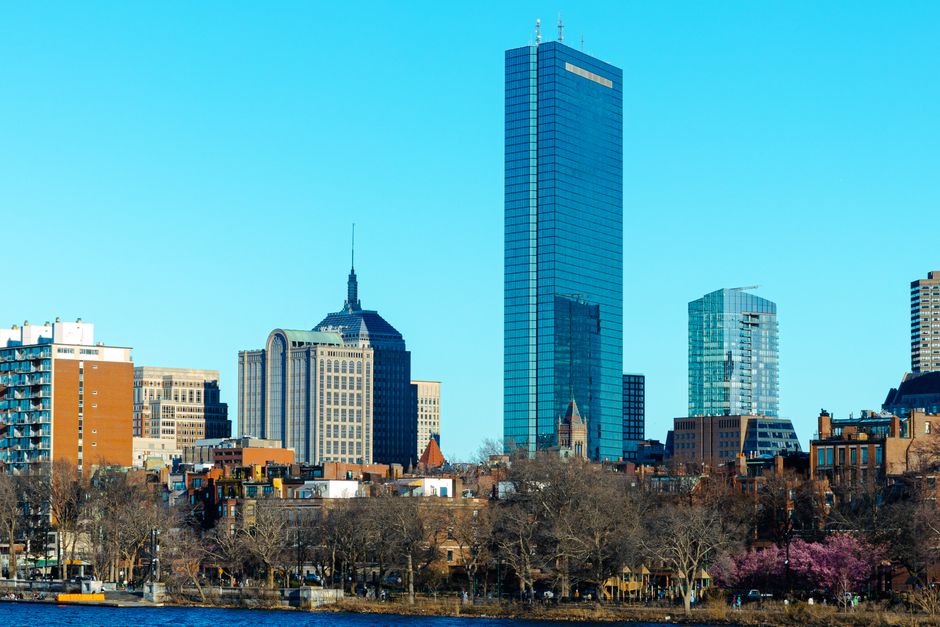
The primary and most famous nickname of Boston is Beantown. This iconic moniker is recognized worldwide, conjuring images of historic cobblestone streets, passionate sports fans, and slow-cooked baked beans. While visitors and tourists frequently use the name to refer to Massachusetts’ capital city, the origins of this nickname stretch back centuries, rooted deep in the colonial history, maritime trade, and culinary traditions of New England.
Understanding the history behind this famous moniker offers a fascinating glimpse into the development of early America. From the religious practices of the Puritans to the bustling shipping lanes of the Atlantic Ocean, the story of how Boston earned its culinary title is both complex and surprising. Today, the name remains a point of interest for travelers and historians alike.
The Origin of Beantown: Why is Boston Called Beantown?
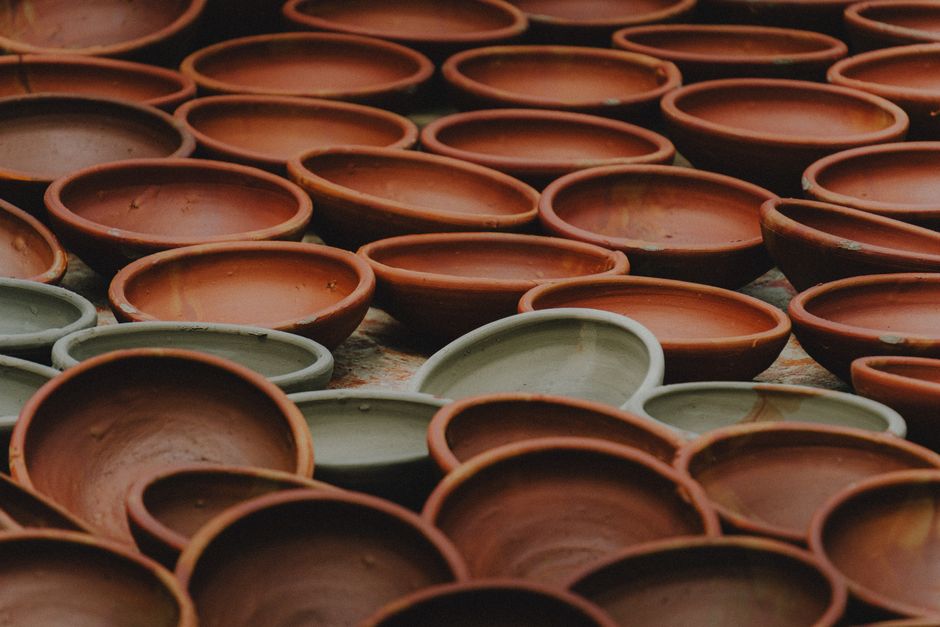
To understand why Boston is called Beantown, one must look at the culinary habits of its early inhabitants. Long before European settlers arrived, Native American tribes in the region, such as the Wampanoag, cooked beans in earthenware pots. They sweetened these dishes with maple syrup and flavored them with bear fat, creating a rich and hearty meal.
When the Puritans settled in the Massachusetts Bay Colony in the 1630s, they adopted this nutritious, slow-cooking dish. However, they adapted the recipe to use ingredients that were readily available to them. This simple adaptation would eventually lay the foundation for the most famous nickname of Boston.
The Puritan Sabbath and Sunday Cooking
The Puritans observed strict religious laws, particularly regarding the Christian Sabbath. According to their beliefs, no work of any kind—including cooking—could be performed on Sundays. This created a practical challenge for colonial families who still needed to eat during the day of rest.
To solve this problem, colonial housekeepers would prepare a large pot of beans on Saturday afternoon. They would leave the pot to bake slowly overnight in the residual heat of their brick ovens. By Sunday morning, the beans were hot, fully cooked, and ready to be eaten for breakfast, lunch, and dinner.
The Evolution of the Recipe
Over time, this weekly practice became a staple of New England culture. The recipe evolved, substituting the Native American maple syrup for molasses, which was becoming abundant in the local ports. This sweet, savory dish became so synonymous with the city that travelers began associating the smell of simmering molasses directly with Boston.
The dish was traditionally made with navy beans or pea beans, seasoned with salt pork and molasses. The slow-baking process allowed the flavors to meld together over several hours, creating a thick, sweet glaze. This culinary tradition persisted for generations, cementing the city’s connection to the humble bean.
The Triangular Trade and the Molasses Connection
The transformation of Boston into Beantown was not merely a matter of domestic convenience. It was heavily driven by international commerce and the maritime economy of the 18th century. During this colonial era, Boston was a major hub in the infamous Triangular Trade network linking New England, West Africa, and the Caribbean.
New England merchants exported timber, fish, and manufactured goods to the Caribbean islands. In return, they imported massive quantities of raw sugar and molasses, which were produced by enslaved laborers on sugar plantations. This constant influx of goods transformed the local economy.
The Distilling Industry
Boston became a major center for distilling molasses into rum, which was then exported to Europe and Africa. The abundance of molasses in Boston made it an incredibly cheap and accessible sweetener for everyday citizens. It was much more affordable than refined white sugar, which was considered a luxury item.
Instead of using expensive sugar, Bostonians poured molasses into their baking, their daily tea, and their pots of navy beans. The addition of salt pork and molasses created the distinct flavor profile of what we now know as Boston Baked Beans. This economic relationship cemented molasses as a defining ingredient of the local diet.
The Great Molasses Flood
The city’s deep connection to molasses took a tragic turn in the early 20th century. In 1919, a massive storage tank in the North End ruptured, releasing a 25-foot wave of molasses that rushed through the streets at 35 miles per hour. This unusual disaster highlighted just how much molasses was stored and processed within the city limits.
While the disaster was devastating, it permanently linked the sticky substance to the city’s history. The event served as a stark reminder of the massive industrial scale of Boston’s molasses trade. It further solidified the connection between the city and the sweet ingredient that flavored its famous beans.
The 1907 Old Home Week and the Solidification of the Nickname
While the association between Boston and beans had existed for generations, the nickname of Boston was officially popularized and commercialized in the early 20th century. A pivotal moment occurred during the summer of 1907, when Boston hosted a massive celebration known as Old Home Week.
Old Home Week was designed to reunite former residents with their hometown and showcase Boston’s progress, culture, and history. To promote the event, local organizers distributed thousands of decorative souvenirs. The most popular of these souvenirs was a miniature ceramic bean pot, often bearing a clever slogan.
The Famous Souvenir Pots
These tiny, decorative bean pots were stamped with the phrase, “You don’t know beans until you’ve been to Boston.” The marketing campaign was an instant success, capturing the public imagination. Over a million people attended the festivities, and many returned home carrying these small tokens.
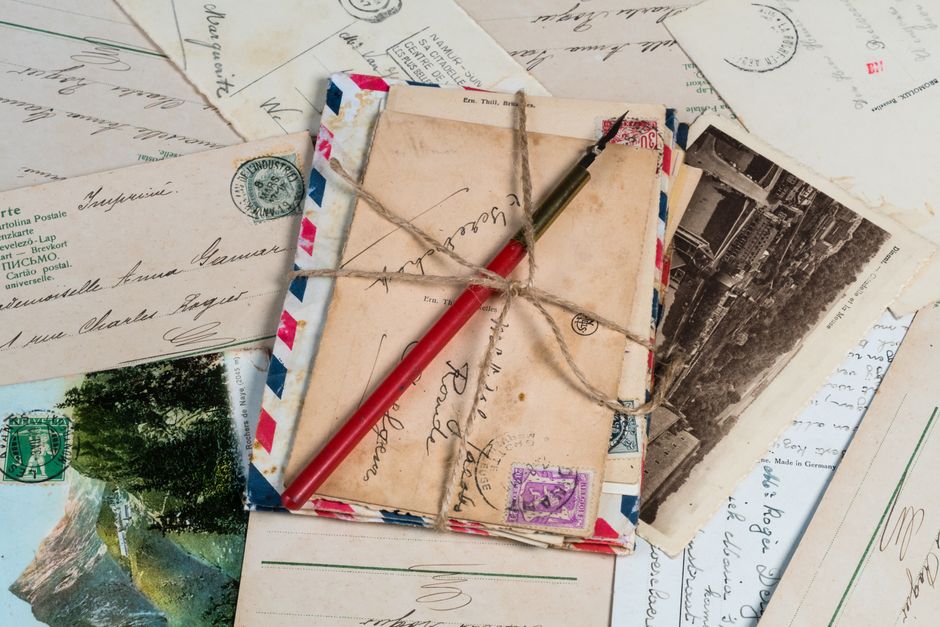
The slogan and the souvenir captured the national media’s attention, linking the city of Boston to the term Beantown in newspapers, advertisements, and postcards across the United States. From that point forward, the nickname was firmly established in the national lexicon.
Commercial Exploitation of the Name
Following the success of Old Home Week, local businesses quickly realized the marketing potential of the nickname. Candy companies began producing “Boston Baked Beans,” which were actually candy-coated peanuts designed to look like the real thing. Postcard companies flooded the market with illustrations of giant bean pots set against the Boston skyline.
This deliberate commercialization ensured that the nickname would outlive its original colonial context. Even as the city modernized and transitioned away from its maritime trading roots, the Beantown label remained stuck to its identity. It became a shorthand way for outsiders to refer to the historic city.
How Locals Feel About the Nickname “Beantown”
Despite its widespread popularity across the globe, the nickname of Boston receives a mixed reaction from actual Boston residents. For many locals, the term feels touristy, outdated, and slightly cliché. It is rare to hear a lifelong Bostonian refer to their home as Beantown in casual conversation.
Instead, locals often prefer to use the names of specific neighborhoods, like Southie, Eastie, the North End, or Dorchester. Some view the term Beantown as a marketing gimmick that reduces a world-class center of education, technology, and medicine to a simple legume. They prefer names that reflect the city’s intellectual and historic achievements.
However, the nickname remains highly visible in commercial spaces throughout the metro area. Dozens of local businesses, tour companies, and sports blogs use Beantown in their branding to immediately identify their connection to the city. While locals might roll their eyes when a tourist uses the term, the moniker remains an undeniable part of the city’s global identity.
