
Introduction
TikTok has established itself as one of the fastest-paced digital ecosystems in history, with millions of creators reshaping their content, aesthetics, and branding overnight. Because the platform allows users to alter their profile handles with relative ease, tracking who someone used to be online has become increasingly difficult. Whether for brand protection, personal safety, or digital forensics, understanding an account’s true trajectory requires looking beyond the current profile facade.
This is where a dedicated TikTok username history checker methodology becomes essential. These tools and tracking workflows allow researchers, marketers, and curious users to pull back the curtain on past identities, revealing deleted handles, historic rebranding efforts, and previous reputations. In this comprehensive guide, you will discover how handle tracking works, why uncovering historical identity data matters, and the exact step-by-step tactics required to uncover hidden TikTok usernames.

What Is a TikTok Username History Checker?
A TikTok username history checker is an open-source intelligence (OSINT) tool or analytical method designed to log, track, and expose past handles associated with a specific TikTok profile. While TikTok treats profiles through their active, public-facing handle, every account possesses a distinct digital footprint that remains tied to past activity. Username checkers correlate historical data points to show how an account’s handle has transformed over weeks, months, or years.
In social media forensics, these checkers function as an audit trail for identity changes. By bridging the gap between an account’s current display name and its digital origins, users can see whether an account was built organically or repurposed through strategic name swaps.
Core Functionality and Features
Modern username tracking solutions provide comprehensive visibility into profile modifications rather than just simple text queries. High-end tracking platforms monitor multiple variables simultaneously to paint a clear timeline of account alterations.
- Handle Transition Logs: A chronological record of every handle variation detected during automated crawls or user searches.
- Bio and Metadata Updates: Snapshots of historical biography text, external link changes, and category adjustments.
- Profile Visual Archives: Historic records of profile pictures and display names used concurrently with earlier handles.
- Follower Fluctuation Mapping: Visual graphs correlating massive spikes or drops in follower count with the exact dates a handle was modified.
How Data Is Aggregated
Because social media platforms rarely publish a direct changelog of user profiles to the public, username history tools rely on sophisticated multi-source aggregation. These systems monitor public endpoints, web archives, and automated web scrapers to assemble a profile’s history puzzle piece by piece.
Whenever an account achieves a certain visibility threshold, automated scrapers document its unique profile page, indexing the handle alongside persistent backend markers. Search engines continuously index these pages, preserving cached variants of profiles under older handles. By cross-referencing public archives, database logs, and platform queries, an effective TikTok username history checker reconstructs past names even after the creator attempts to erase them.
Why Would You Need to Check Someone’s TikTok Username History?
Changing a handle is often harmless, representing a simple creative pivot or aesthetic refresh. However, frequent or abrupt identity shifts on social platforms frequently signal deception, commercial manipulation, or reputation laundering.
Understanding the past life of a TikTok account provides actionable clarity across both personal interactions and high-stakes business decisions.
Verifying Account Authenticity and Spotting Scammers
A common tactic among online scammers involves purchasing aged TikTok accounts that already possess tens of thousands of real or bot-generated followers. Once purchased, the scammer completely rebrands the account, changing the handle, profile picture, and bio to mimic an authority figure, crypto investment project, or customer service representative.
Checking the handle history exposes these fraudulent pivots instantly. If an account claiming to be a financial advisory firm was operating as a teen gaming fan page three months prior, users can identify the scam before falling victim to fraud.
Brand Sponsorship Due Diligence
Influencer marketing agencies invest substantial budgets into TikTok creator collaborations, making due diligence non-negotiable. Before signing contracts, brands must confirm that an influencer’s audience was cultivated through content that aligns with the brand’s core values.
A creator might currently produce family-friendly comedy sketches, but their historical handles might reveal past associations with controversial niches, hate speech, or shock-value stunts. Investigating handle history safeguards corporate reputation by preventing partnerships with accounts carrying hidden, toxic liabilities.

Investigating Harassment, Impersonation, and Cyberbullying
Malicious digital actors frequently exploit username modifications to avoid detection, harassment reports, and blocklists. After launching targeted attacks against a victim, an abuser may rapidly alter their handle to evade retaliatory reports or bypass personal blocks.
Through historic handle tracking, victims and investigators can trace the digital thread back to the harasser’s source account. This persistent tracking ensures evidence logs remain coherent, which is vital when presenting documentation to platform moderators or law enforcement authorities.
Buying or Selling Established Social Media Accounts
The secondary market for digital real estate is fraught with hidden hazards, particularly regarding platform policy violations. Prospective account buyers must verify that an account does not carry historical penalties tied to its earlier incarnations.
Accounts that frequently rotated handles might have accumulated algorithmic shadowbans, copyright violations, or policy strikes under previous names. Uncovering that past identity helps prospective buyers determine the real commercial value and health of the asset before closing an acquisition.
Does TikTok Offer a Native Username History Feature?
When investigating account history on platforms like Instagram, users benefit from built-in transparency tools like the “Former Usernames” section under “About This Account.” This feature openly shows the general public how many times a prominent profile has modified its handle within a designated timeframe.
Users venturing onto TikTok often wonder whether a similar built-in utility exists within the app’s native architecture.
TikTok’s Current In-App Privacy Settings
TikTok does not offer a native, public-facing username history log on profile pages. When viewing another creator’s profile through the official mobile application or web portal, you only see their active handle and current display name.
The platform treats identity updates with high friction at the user level—limiting handle modifications to once every 30 days—yet it maintains strict front-end privacy regarding past records. Consequently, everyday users cannot simply tap a settings menu to review a competitor’s or creator’s previous aliases natively.
Downloading Your Own Personal Data
While you cannot natively view the historical handles of other users inside the interface, TikTok does allow individuals to inspect their own historical digital footprint. Platform data privacy regulations require TikTok to supply account holders with access to their complete archival records upon formal request.
If you need to retrieve your personal account history for legal, branding, or archival purposes, you can request your comprehensive platform dossier by following these steps:
- Open your TikTok mobile app and navigate to your Profile tab.
- Tap the three horizontal lines (hamburger menu) in the top-right corner and select Settings and privacy.
- Select the Account category, then tap on Download your data.
- Select either a machine-readable JSON format or a human-readable TXT file.
- Submit your request; once generated (typically within 24 to 72 hours), download the archive to review historical profile data, including legacy display names and account modifications.
How to Track TikTok Username History: 5 Proven Methods
Since the platform lacks an integrated public lookup directory, discovering an external account’s past handles requires specialized OSINT workflows. By relying on historical web caches, unique identifiers, and external search indexes, you can reconstruct an account’s handle timeline without needing direct access to their login credentials.
Below are the first three proven investigative techniques you can deploy immediately using free, accessible web tools.
Method 1: Searching Archive.org (The Wayback Machine)
The Internet Archive’s Wayback Machine periodically crawls and preserves static snapshots of public web pages across the internet. When high-traffic or viral TikTok accounts are indexed, their current handles, bios, and video grids are captured at that exact moment in time.
To inspect an account using the Wayback Machine:
- Navigate to
archive.org/web/in your browser. - Enter the target account’s current URL format:
https://www.tiktok.com/@currentusername. - Review the interactive calendar; highlighted circles indicate days where a snapshot was recorded.
- Click on historical timestamps dating back months or years to view how the profile page appeared during that period.
- Inspect the top profile section to identify what handle, bio, and avatar were actively recorded on that date.
Method 2: Google Search Operators and Web Cache
Search engines crawl and cache TikTok URLs at different rates than the app updates, leaving behind searchable digital breadcrumbs. By executing targeted Google search operators (also known as Google Dorks), you can locate orphaned mentions, comments, and cached records linked to old handles.
Use these specific commands in the Google search bar:
site:tiktok.com "@newusername": Scans the domain to see if third-party comments or videos still reference an older, tagged alias for that creator.site:tiktok.com inurl:newusername: Surfaces legacy pages indexed prior to recent system updates.cache:https://www.tiktok.com/@currentusername: Opens Google’s most recently stored visual snapshot of the profile, which may display a handle that was changed only days earlier.
Method 3: Reverse-Engineering via Unique User ID (secUid)
Handles on TikTok are merely aesthetic text labels that can be replaced at will, but the platform’s underlying databases rely on an unalterable identifier known as the secUid or numeric User ID. No matter how many times a user switches their visible @handle, their unique backend ID remains completely static for the lifetime of that account.
To extract and track an account via this permanent marker:
- Open a desktop browser (such as Chrome or Firefox) and load the creator’s TikTok profile page.
- Right-click anywhere on the profile page background and select View Page Source.
- Press
Ctrl + F(orCmd + Fon Mac) and search for the string:"secUid"or"authorId". - Copy the long alphanumeric string that follows (e.g.,
MS4wLjABAAAA...). - Input this persistent ID into public TikTok API search tools or developer endpoints. Any historical web result indexing this string will point back to that exact user, completely exposing any previous handle they attempted to leave behind.
Method 4: Analyzing Comments, Duets, Stitches, and Tagged Posts
User-generated collaborations often act as accidental archives of retired handles. When a user interacts with other creators, TikTok hard-codes their username into specific visual assets and platform interactions that do not always update dynamically.
Old videos that were downloaded and re-uploaded, or content featured in Duets and Stitches, permanently display the original creator’s watermark in the corner of the frame. Even if a target account changes its handle, the burned-in video overlay on another creator’s Stitch continues to show the old identity.
Additionally, historical comment sections serve as a reliable manual tiktok username history checker. When users reply to comments, older notification tags and plain-text mentions remain fixed in the thread, pointing investigators directly toward the handle used at the exact moment of publication.
Method 5: Utilizing Specialized Third-Party Analytics Tools
Enterprise social media tracking platforms routinely scrape and archive platform metrics, making them indispensable for intelligence gathering. Services such as Exolyt, Social Blade, and Pentos index public user activity to monitor growth trends and account adjustments over time.
These analytics tools frequently log handle migrations because sudden username shifts can disrupt their indexing algorithms. When querying an account via an advanced tiktok username history checker, these platforms often display historical timeline logs showing when an account switched handles alongside correlating spikes or drops in follower count.
While some specialized metrics require premium enterprise subscriptions, public profile lookups on verified analytics databases typically display the immediate previous handle free of charge. These platforms preserve data snapshots long after an account has deleted old posts or rebranded entirely.
Step-by-Step Guide: Tracking an Account Using TikTok’s Permanent Numeric ID (secUid)
While handles and display names are ephemeral cosmetic labels, every TikTok account possesses a static backend identifier that never changes. Digital investigators and OSINT specialists rely on this permanent signature to track profiles across dozens of identity shifts.
By shifting your investigative workflow from mutable handles to permanent identifiers, you eliminate the risk of losing track of a subject. Below is the exact operational framework required to extract and leverage TikTok’s persistent user keys.
Step 1: Locating the Source Code of a Profile
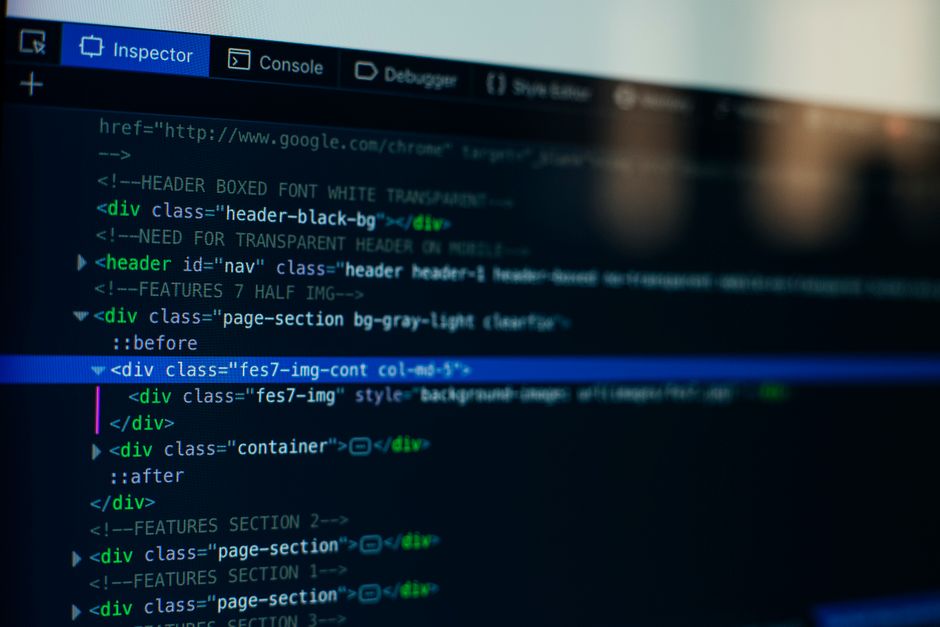
Finding the permanent user signature requires inspecting the underlying code that powers the web version of a target’s profile. You do not need developer tools or software engineering experience to extract this data from a desktop browser.
- Open Google Chrome, Firefox, or Brave on a desktop computer and navigate to the target’s current profile URL.
- Right-click anywhere on the blank space of the web page and choose Inspect or View Page Source.
- Press
Ctrl + F(Windows) orCmd + F(Mac) to open the internal search bar within the developer elements window. - Search for the term
secUidor locate the global data block labeled__UNIVERSAL_DATA_FOR_REHYDRATION__. - Highlight and copy the alphanumeric string assigned to the
secUidparameter, which typically begins withMS4wLjABAAAA.
Step 2: Decoding API Endpoints
Once you possess the target’s secUid, you can bypass front-end username searches altogether. TikTok’s public web endpoints allow direct database queries using this unique cryptographic string.
By querying TikTok’s public web dispatch endpoints directly, your browser sends a request for the account metadata linked exclusively to that static sequence. Regardless of whether the handle was modified ten minutes ago or ten times over the past year, the server returns a structured JSON payload containing the active username, user ID, account creation timestamp, and bio history.
Many OSINT analysts use command-line utilities like cURL or Python scripts to query these endpoints automatically. This programmatically bypasses the need for an external tiktok username history checker by communicating directly with the platform’s public infrastructure.
Step 3: Storing and Monitoring the ID
Proper record-keeping is the cornerstone of effective digital investigation. Rather than bookmarking profile URLs that break when a user renames their account, catalog the permanent secUid and numeric userId inside a dedicated investigative database.
Whenever you suspect a target has undergone a rebrand or vanished from your feed, query the stored static ID against public profile endpoints. If the returned payload displays a completely unfamiliar handle, you have successfully tracked the account through its name transition without missing a single post.
Third-Party TikTok Username Trackers: Legitimate Tools vs. Dangerous Scams
The growing demand to unmask rebranded profiles has spawned an entire ecosystem of automated tracking software. While several reputable platforms provide transparent data snapshots, the niche is also flooded with malicious actors looking to exploit unsuspecting users.
Navigating this landscape requires understanding which tools source public records responsibly and which ones deploy deceptive tactics to harvest private credentials.
Top Safe and Legitimate Analytics Services
Legitimate tools operate within ethical boundaries by exclusively aggregating data accessible to public web crawlers. Reputable platforms never claim to possess magical backend access to private TikTok server databases.
- Social Blade: Excellent for historical tracking, displaying chronological logs of username updates alongside daily engagement rates.
- Exolyt: A dedicated analytics platform that monitors creator evolution, profile modifications, and performance trajectories.
- Pentos: High-level social intelligence software designed for market researchers to map creator trends and monitor structural profile revisions.
These verified tools function safely as an ad-hoc tiktok username history checker because they pull data via open, non-intrusive scraping pipelines. They preserve historic public records without compromising user safety.

Red Flags of Phishing Sites and Data Harvesters
A significant portion of web pages advertising a free tiktok username history checker are malicious fronts engineered for credential harvesting. Recognizing deceptive patterns is vital to safeguarding your personal accounts and devices.
Be immediately suspicious of any web service that demands you enter your personal TikTok username and password to “unlock” another account’s historical log. Legitimate OSINT utilities operate in a read-only capacity and will never request your account authentication keys.
Additional warning signs include mandatory “human verification” surveys, prompts to install custom browser extensions, or requirements to download third-party APK files onto your smartphone. These mechanisms are designed to distribute infostealer malware, deploy adware, or enroll your device into malicious botnets.
The Impact of TikTok API Restrictions
Maintaining a dependable public tiktok username history checker has become increasingly difficult due to aggressive platform updates. TikTok routinely tightens its developer policies to prevent aggressive scraping and protect platform integrity.
Rate limits on unauthenticated web traffic, obfuscation of front-end scripts, and stringent CAPTCHA barriers routinely disrupt third-party indexing engines. As a result, older consumer tracking tools frequently break or present outdated snapshots.
These limitations mean that no automated database is completely exhaustive. Reliable intelligence gathering often requires pairing software platforms with manual OSINT techniques like Google cache lookups and static secUid correlation.
Why Creators Change Their TikTok Usernames
Tracking username modifications is not solely an investigative pursuit; it also provides fascinating insights into the lifecycle of digital creators. Handle alterations are rarely accidental, almost always signaling a strategic pivot or a protective countermeasure.
Understanding the underlying motivations behind a name change helps investigators and fans alike contextualize why an account’s historical data suddenly shifted.
Niche Pivots and Content Rebranding
Many creators begin their TikTok journeys by posting spontaneous, personal content under informal or humorous handles. As their audience expands, an outdated username chosen during adolescence can hinder corporate sponsorships and monetization opportunities.
When an influencer pivots from broad comedy to specialized sectors like personal finance, luxury fashion, or tech reviews, a professional handle change becomes essential. In these scenarios, running a tiktok username history checker reveals a clear evolutionary path from amateur vlogger to polished personal brand.
Platform Synergy and Handle Uniformity
Cross-platform uniformity is essential for building an authoritative digital footprint. Creators aiming for broad reach frequently modify their handles to ensure identical branding across YouTube, Instagram, X (formerly Twitter), and Twitch.
If a creator acquires a valuable legacy handle on another social network, they often alter their TikTok handle to match. This uniformity prevents impersonation, clarifies discoverability in external search engines, and simplifies promotional marketing campaigns across multimedia channels.
Evading Online Harassment or Stalking
Unfortunately, not all username changes stem from professional ambition. For vulnerable individuals, modifying a public handle serves as an essential privacy barrier against targeted harassment, coordinated brigading, or real-life stalking.
When bad actors launch smear campaigns or dox a creator, modifying the active handle—combined with switching to a private account—can instantly sever unwanted search queries. While determined bad actors may still leverage a tiktok username history checker to trace the individual, changing the visible handle offers immediate, practical friction against low-effort harassment.
Can You Hide or Erase Your Own TikTok Username History?
As digital awareness grows, everyday users frequently ask whether they can permanently wipe their historical footprints from search engines and tracking databases. Once information is published online, deleting it entirely presents distinct technical hurdles.
While platform architectures make absolute erasure difficult, several actionable steps can significantly minimize the discoverability of your former aliases.
Removing Historical Mentions and Videos
To break the trail linking your present identity to a former handle, you must perform a comprehensive audit of your account’s interactive footprint. Begin by locating and deleting legacy videos where your previous username appears within the caption, pinned comments, or visible watermark overlays.
Next, systematically review older collaborative interactions. If you participated in Duets or Stitches that openly broadcast your former moniker, consider setting those individual posts to private or deleting them entirely.
You should also inspect popular comment sections where mutual acquaintances may have replied to you using plain-text @mentions. Deleting your original comments severs the response chain, turning legacy username breadcrumbs into broken links that third-party scraping utilities cannot easily catalog.
Requesting De-indexing from Search Engines
Even after you modify your handle and purge direct media mentions, major search engines may continue displaying legacy profile snippets in search results. To sever this connection, you must manually request that search engines purge their outdated web cache.
Google offers an Outdated Content Removal tool that allows individuals to submit URLs reflecting defunct profile handles. When submitting a request, provide the cached URL containing your previous handle alongside confirmation that the page no longer exists or has updated its public metadata.
For historical indexing platforms like the Wayback Machine, you can email their administrative team directly to request the removal of archived profile captures. Citing privacy and personal safety concerns typically accelerates this review process, ensuring that third-party tools querying public archives cannot resurface older handle snapshots.
Starting Fresh: Account Deletion vs. Complete Rebranding
Creators attempting to shed a toxic past or avoid persistent tracking must weigh the benefits of a full rebrand against a total account deletion. Rebranding preserves your hard-earned follower counts, accumulated likes, and algorithmic authority, but it leaves your static secUid intact.
Because your underlying user identifier remains unchanged, anyone employing a specialized tiktok username history checker can easily bridge the gap between your previous persona and your new identity. Persistent investigators can track historical comment chains and archival snapshots straight to your updated profile.
Conversely, completely deleting the account permanently wipes the internal identification token from TikTok’s live servers. While starting fresh from zero followers requires significant creative effort, it represents the only definitive method for severing all programmatic ties to your former digital history.

Legal and Ethical Considerations in Username Tracking
Tracking historical social media accounts is a cornerstone of modern digital investigations, but researchers must navigate complex ethical boundaries. While the underlying technical mechanisms leverage publicly accessible records, the application of this intelligence demands personal responsibility.
Distinguishing between justifiable due diligence and harmful surveillance is vital for investigators, brands, and everyday users interacting with historical profile records.
OSINT Ethics and Anti-Doxxing Standards
Open-source intelligence (OSINT) operates on the principle of analyzing publicly available data to protect users, verify authenticity, and uncover bad actors. Utilizing a tiktok username history checker to vet a commercial influencer or investigate financial scams represents standard digital verification.
However, repurposing archival findings to unmask a user’s private identity, reveal their real-world location, or facilitate targeted harassment crosses directly into malicious doxxing. Ethical investigators prioritize proportional analysis, ensuring that personal data is never leveraged to compromise someone’s physical or mental safety.
Respecting the intent behind privacy adjustments is equally essential when conducting historical investigations. When users modify handles specifically to escape cyberbullying or domestic threats, unearthing and publishing their past aliases violates fundamental online privacy ethics.
Compliance with TikTok’s Terms of Service
Beyond individual ethics, investigators must recognize the platform’s contractual rules regarding automated software tools. TikTok’s Terms of Service strictly forbid the unauthorized automated harvesting, crawling, and programmatic extraction of platform data.
Many third-party sites advertising rapid tiktok username history checker tools operate via unauthorized scraping networks that intentionally bypass platform rate limits. Relying on such automated services can carry unintended consequences, including intellectual property violations or proxy blacklisting.
To remain compliant with both platform rules and legal data privacy frameworks, investigators should rely primarily on lawful, manual review techniques. Cross-referencing platform APIs via sanctioned developer portals or examining external search engine caches eliminates the risks associated with predatory scraping software.

Troubleshooting: What to Do When a TikTok Username History Cannot Be Found
There are instances where conventional tracking workflows yield zero results, leaving investigators with dead ends. Profile restructuring, system migrations, and strict privacy settings can obscure the digital trail of even prominent accounts.
When automated utilities and external databases return empty search parameters, applying alternative forensic techniques can help uncover missing continuity markers.
Handling Private Accounts and Banned Profiles
When an account transitions to private status, real-time scraping software and search crawlers immediately lose access to user content, follower structures, and interaction logs. If a profile is banned entirely, TikTok replaces the account landing page with a generic error code, cutting off standard lookups.
In these situations, automated tools cannot query live platform metadata to determine recent changes. Your best recourse is examining external third-party performance monitors and platform stat-trackers that indexed the profile while it remained public.
Additionally, querying social media aggregator forums, fan communities, or secondary video-sharing platforms can surface mirrored content. Re-uploaded videos often feature legacy watermarks preserved from the exact period prior to the account’s restriction or closure.
Identifying Account Mergers or Transfer Patterns
A sudden, unexplained disappearance of historical user records often indicates that an account was acquired, transferred, or merged. A thriving underground marketplace exists where creators sell high-follower profiles to commercial marketers or malicious bot operators looking for instant reach.
To detect whether an account has changed hands, examine its legacy interaction patterns alongside sudden alterations in thematic focus. A profile that historically posted casual personal vlogs but suddenly transitions into crypto promotion or commercial dropshipping has likely been transferred.
Running the account’s static platform identifiers through an external tiktok username history checker will often reveal massive follower drops and radical niche departures. Identifying these abrupt pivots clarifies why prior identity markers suddenly vanished from standard record archives.
Frequently Asked Questions (FAQ)
Can you see who previously owned a TikTok username?
You cannot directly view previous owners through the native TikTok interface, as the platform does not display historical ownership logs. However, you can frequently identify former account holders by reviewing legacy web snapshots on the Wayback Machine, checking historical @mention replies from other creators, or querying third-party analytics databases.
How often can a TikTok user change their username?
TikTok permits account holders to update their username once every 30 days. This limitation helps mitigate impersonation risks, stabilizes follower interaction, and prevents bad actors from rapidly cycling through different handles to evade moderation protocols.
Does changing your TikTok username reset your analytics or algorithm standing?
Modifying your handle does not reset your underlying account metrics, algorithmic weight, or engagement history. However, it can temporarily affect organic search visibility, and existing fans accustomed to your previous alias may scroll past your content, leading to a temporary dip in view velocity.
Is there an official TikTok history checker app?
TikTok does not provide an official in-app feature or tool designed to expose a profile’s historical handles to other users. Any utility providing this functionality is an independent third-party tool that aggregates data via search indexing, historical platform archives, and public metadata caches.
Will someone be notified if I look up their TikTok username history?
No, account holders are not alerted when you inspect their historical usernames. Because external investigative procedures rely on search engine caches, public archives, and non-invasive analytical databases, queries are processed externally without triggering platform-level profile visit notifications.
Conclusion
Navigating modern social platforms requires a keen awareness of how personal data, algorithmic markers, and user identities evolve over time. Utilizing a reliable tiktok username history checker methodology empowers brands, researchers, and everyday users to identify account impersonation, prevent commercial fraud, and preserve essential transparency across the creator economy.
While digital creators will always modify their monikers to support creative pivots or safeguard personal privacy, the immutable nature of the web leaves a rich trail of historical breadcrumbs. By combining unique internal identifiers like the secUid with historical archival snapshots and contextual footprint analysis, you can unravel complex handle transformations with remarkable precision.
Ultimately, successful digital verification depends on maintaining a strong balance between analytical thoroughness and ethical responsibility. By adhering to transparent OSINT research principles and respecting platform boundaries, investigators can uncover vital digital histories while upholding essential standards of online integrity.
